

Stair material comparison
Metal vs Wood Stairs
Compare metal and wood stairs for durability, design flexibility, span, maintenance, cost factors, and where each option makes sense in a BC home or commercial build.

Choosing the right material, fabrication method, and project team can change the cost, durability, schedule, maintenance, and final look of your stairs, railings, gates, or architectural metalwork.
This comparison hub helps homeowners, builders, designers, architects, and commercial property owners in British Columbia understand the real trade-offs before requesting a quote.
Each comparison is written for real residential and commercial metal fabrication projects in BC. Use these pages to compare options before drawings are finalized, materials are ordered, or a quote is requested.
Compare metal and wood stairs for durability, design flexibility, span, maintenance, cost factors, and where each option makes sense in a BC home or commercial build.
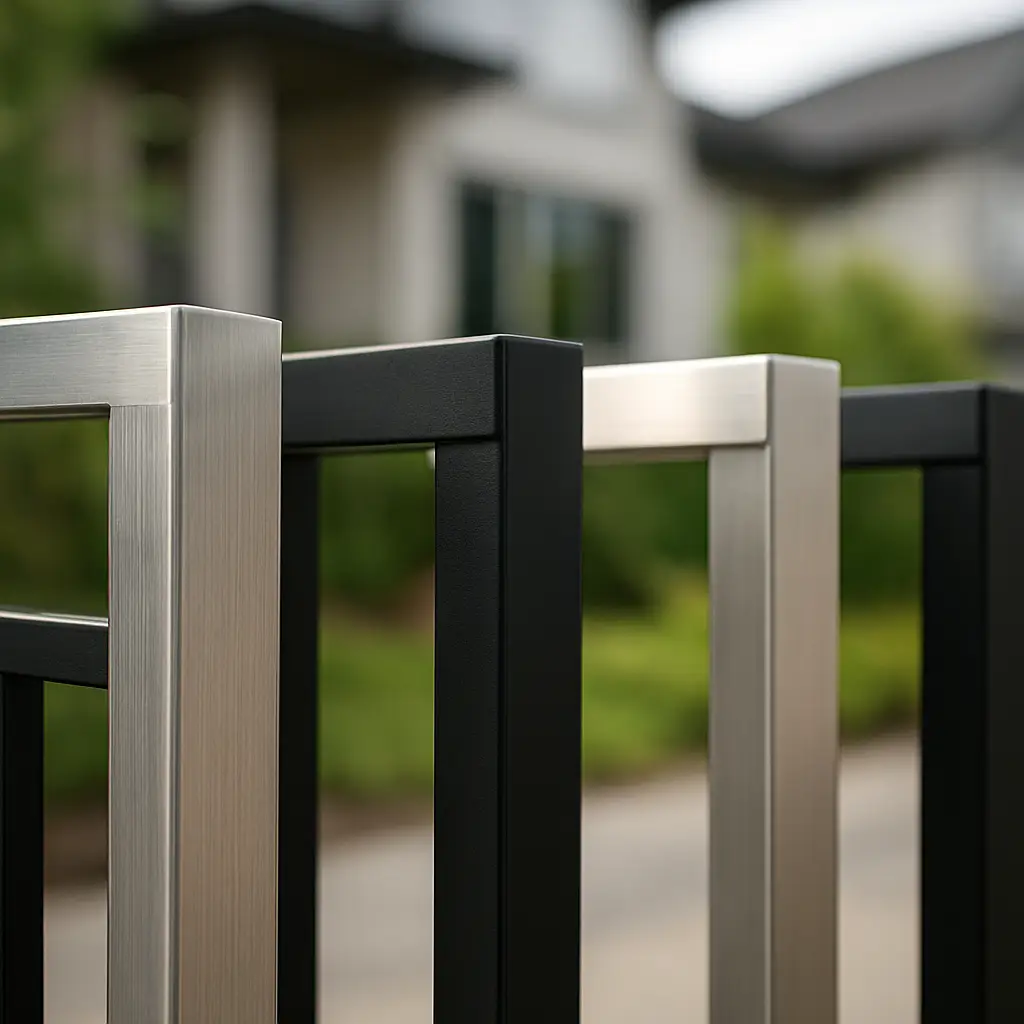
Compare steel and aluminum railing systems for strength, corrosion resistance, weight, powder coating, coastal exposure, and long-term maintenance.

Compare custom and standard gates for site fit, security, privacy, curb appeal, slope conditions, automation readiness, and long-term value.

Compare the coordination, quality control, timeline, drawing clarity, and communication differences between in-house design support and outsourced fabrication.
A material that works well for an interior feature may not be ideal for a coastal exterior railing. A standard gate may be fine for a simple opening, but a sloped driveway or high-visibility entrance may need a custom layout. A stair that looks simple in a rendering may still require careful fabrication detailing, shop drawings, and coordination with the surrounding build.
These comparison pages are designed to help you narrow the decision before the project reaches fabrication. If you already have drawings, site photos, or a design direction, you can also move directly to a quote conversation.

A good comparison goes beyond the first price. The stronger decision is usually the one that accounts for the building, the site, the finish, the installation, and the long-term maintenance.
BC projects can face coastal rain, freeze-thaw conditions, intense sun, steep lots, and high-use public or commercial environments. Exterior stairs, railings, and gates should be compared with exposure and maintenance in mind.
Metal can allow slim profiles, longer spans, floating details, and strong structural expression. Wood, aluminum, and standard products may have limitations depending on the project’s size, load, layout, and design intent.
Powder coating, galvanizing, stainless steel, aluminum finishes, paint systems, and natural material choices all age differently. The right finish depends on exposure, touch points, cleaning expectations, and desired appearance.
Custom fabrication is often valuable when the site is not perfectly square, the driveway slopes, the wall connection is unusual, the opening is non-standard, or the final feature must align with surrounding architecture.
The handoff between design, shop drawings, fabrication, finishing, delivery, and installation affects the final result. In-house coordination can reduce miscommunication when the project has custom details.
Once you know which direction looks right, the next step is usually drawings, material confirmation, finish planning, and a quote based on the real site conditions.
For interior and exterior stair systems where structure, design, and architectural impact matter.
For residential, commercial, balcony, stair, deck, and exterior railing systems built around the site.
For gates that need to match the property, opening, slope, security goals, and design style.
For one-of-a-kind metal features, architectural details, and custom pieces that need design support.
For turning concepts, inspiration images, or early plans into fabrication-ready details.
For choosing materials and finish systems that fit exposure, maintenance, budget, and appearance goals.
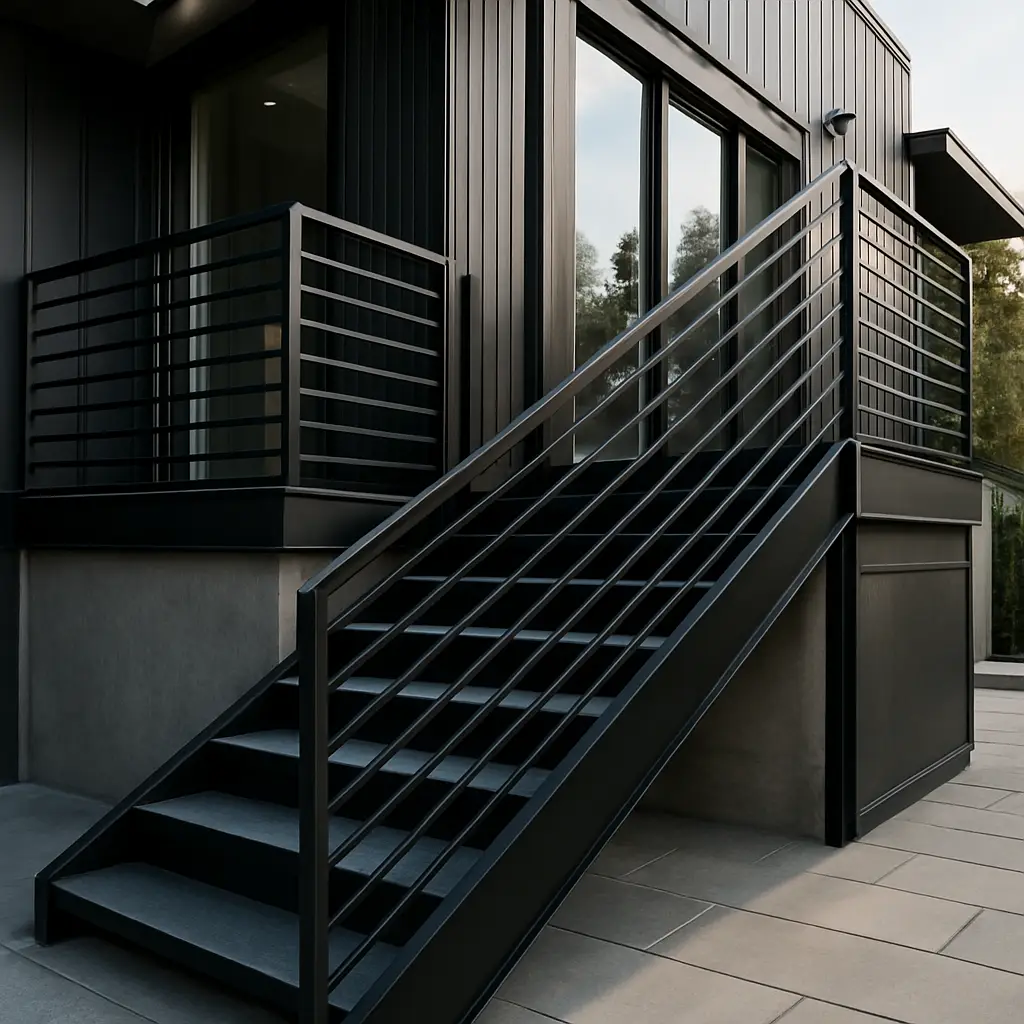
A railing in a dry interior stairwell is not the same decision as a railing near ocean air. A gate for a flat urban lot is not the same as a gate on a sloped rural driveway. A steel stair inside a modern home has different priorities than an exterior commercial stair used every day.
That is why comparison content should not stop at “which is cheaper.” The better question is which option will fit the site, meet the design intent, coordinate with the build, and still look right years after installation.
If you are comparing options for a real project, include site photos, approximate dimensions, location, exposure, and drawings if available when you request a quote.
These answers are meant for early planning. The best recommendation depends on the drawings, site condition, exposure, finish expectations, and installation requirements.
Not always. Metal is often better for slim profiles, long-term durability, open-riser designs, and architectural stair features. Wood may still be preferred when warmth, budget, or a traditional finish is the main priority.
Steel is often chosen for strength and a solid architectural feel. Aluminum is often chosen for lighter weight and corrosion resistance. The right choice depends on exposure, finish, design, budget, and structural needs.
A custom gate is usually worth considering when the opening is unique, the driveway slopes, the design needs to match the property, or security, privacy, and automation planning are important.
In-house design support can reduce handoff gaps between concept, drawings, fabrication, finishing, and installation. That is especially useful when the project includes custom details or tight site conditions.
Helpful details include project location, photos, drawings, rough measurements, material preferences, finish expectations, timeline, access limitations, and the comparison option you are leaning toward.
Share the project type, location, drawings or photos, approximate dimensions, material preferences, and any design references. We can help identify which option makes the most sense before fabrication begins.